
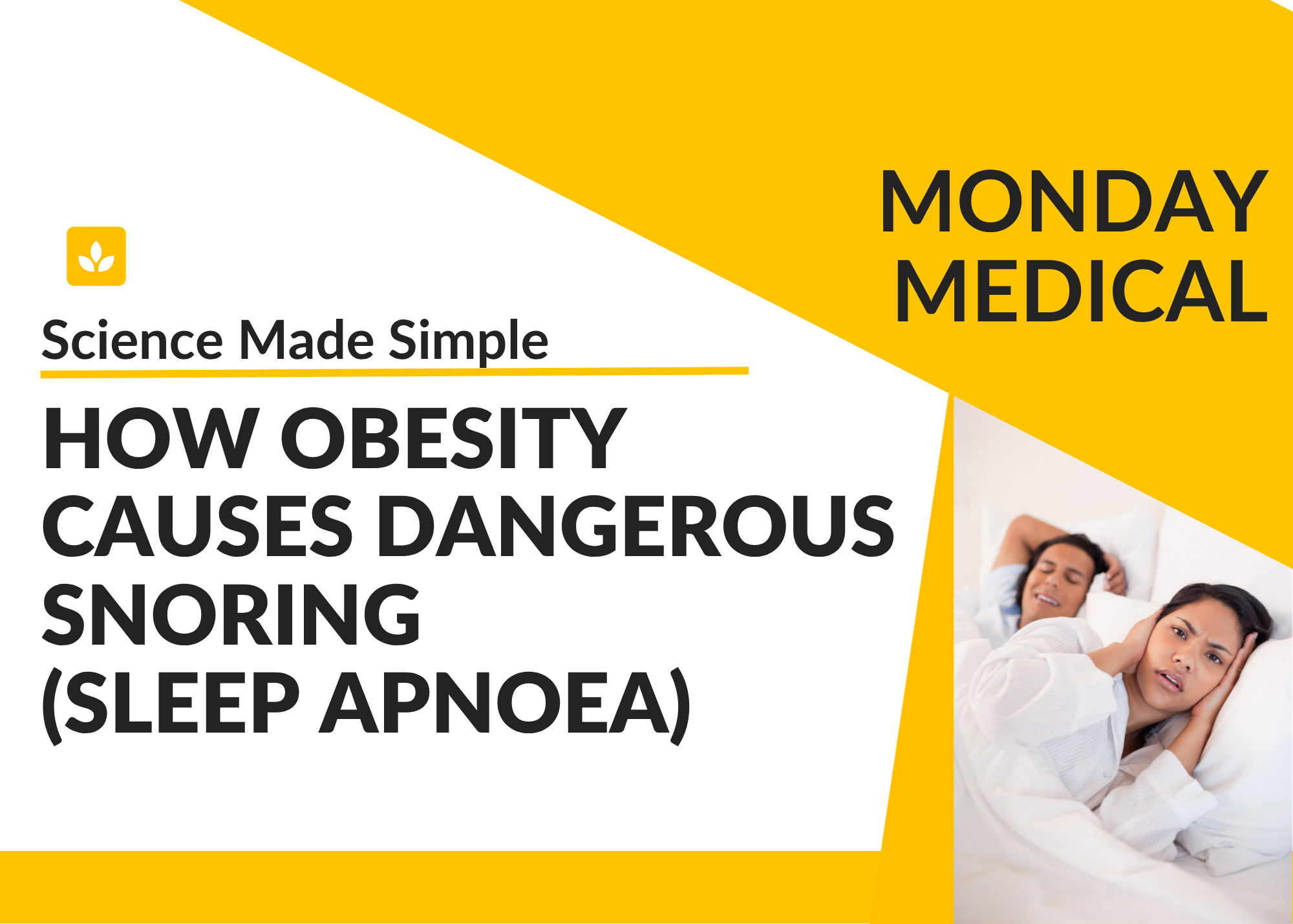
Many people in Chennai wake up feeling exhausted even after 8 hours of sleep and dismiss it as "work stress" or "just getting older." But if you are a loud snorer, that tiredness might actually be a medical warning sign.
There is a big difference between being "just tired" and having Obstructive Sleep Apnea (OSA). Here is how the science explains the difference and what symptoms you must look for.
The Science: Snoring vs. Apnoea
Normal snoring happens when air flows past relaxed tissues in your throat, causing them to vibrate. However, in Sleep Apnea, those tissues completely collapse, blocking your airway.
According to theIndian Initiative on Obstructive Sleep Apnea (INOSA), your brain realises you aren't getting oxygen and "shocks" you awake just enough to take a breath. This can happen 30 times an hour, meaning you never reach the "Deep Sleep" your body needs to recover.
The Red Flags: It’s More Than Just Tiredness
If you have these specific symptoms, it is likely Sleep Apnea rather than simple fatigue:
The "Stop-and-Gasp" Snore: Unlike steady snoring, OSA snoring is interrupted by silence (when you stop breathing) followed by a sudden snort or gasp for air.
Morning Headaches: Because your brain is deprived of oxygen all night, you often wake up with a dull, throbbing headache that clears up after an hour.
Waking Up Parched: If you constantly wake up with an extremely dry mouth or sore throat, it’s a sign you were struggling to breathe through your mouth all night.
The 3 PM Crash: While everyone gets a bit sleepy, OSA patients feel an "overpowering" urge to sleep during meetings or even while stopped at a traffic light.
The Weight Connection: The 10kg Rule
As we gain weight, fat is deposited in the "pharyngeal" tissues of the neck. Research in the Journal of the American Medical Association (JAMA) shows that for every 10kg of weight gain, your risk of these breathing "stoppages" doubles.
Furthermore, the Indian Journal of Medical Research confirms that this lack of oxygen causes a spike in blood sugar and blood pressure, making it nearly impossible to lose weight unless the sleep issue is fixed.
How to Get Professional Help
If you recognise these signs, you shouldn't try to manage this alone. The Indian Chest Societyrecommends a formal medical assessment to prevent heart strain and high blood pressure.
What to do next:
You should consult a doctor (Pulmonologist or Sleep Specialist) for a full assessment. They will typically perform two key checks:
Neck Circumference Measurement: A physical check to see if excess tissue is narrowing your airway.
A Sleep Study (Polysomnography): A painless overnight test that tracks your oxygen levels and exactly how many times your breathing stops.
At Wellbe360, we work alongside your medical recovery by focusing on the science of weight loss.
Clinical data shows that losing just 10% of your body weight can improve sleep apnea symptoms by more than 20% by physically clearing the airway.
Contact Us Today: 0091 7598 333 333